
ISO/TS 13498 – Torsion testing of endosseous implants*

How much torsional load can your dental implant connection withstand? As an accredited testing laboratory, Innoproof evaluates the mechanical strength of implant bodies and connecting components under defined torsional loading in accordance with ISO/TS 13498.

We determine relevant parameters such as torsional yield strength and maximum torque, providing reliable, traceable measurement data for product development and comparison.

Looking for torsion testing by an accredited testing laboratory? Contact us.
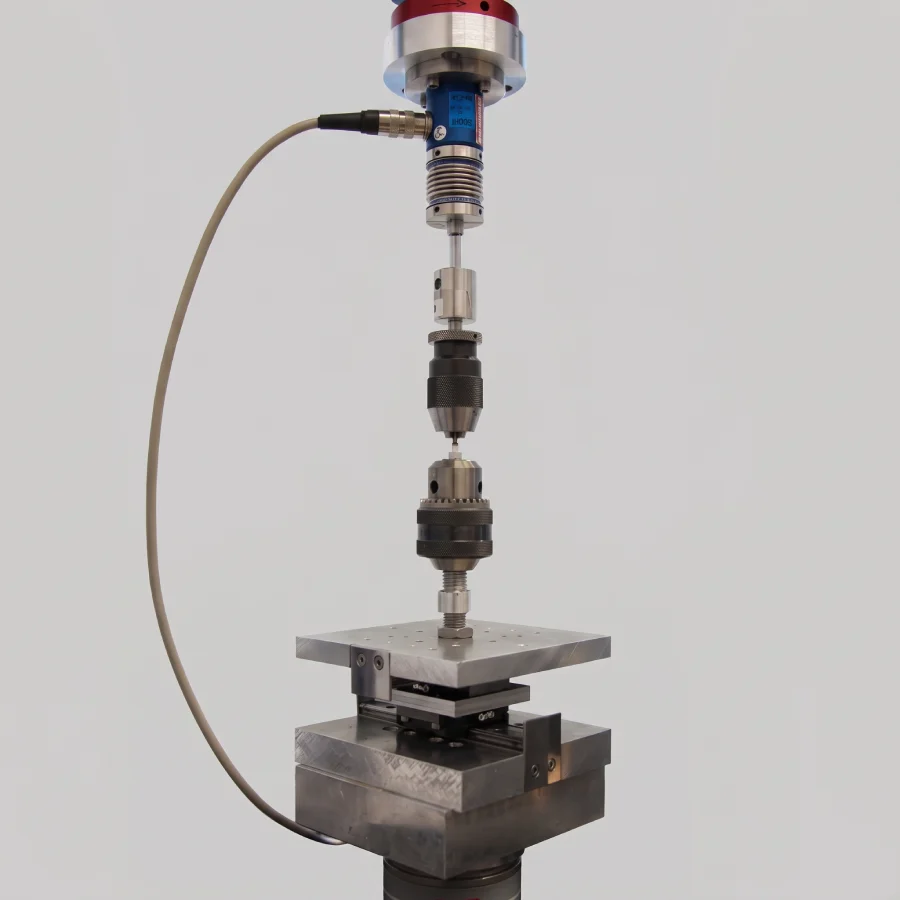
ISO/TS 13498 TorsionsprĂĽfung

State-of-the-Art Testing Technology

Owner-Managed & Fast Response Times

Comprehensive Test Reports with Added Value

Sustainable Testing Without Oil Pressure Systems

What Is Torsion Testing According to ISO/TS 13498?

Dental implants must withstand a wide range of mechanical stresses in everyday use. Chewing generates not only compressive and tensile forces but also torsional forces that can act on the connection between the implant body and the connecting component (abutment).

The purpose of torsion testing according to ISO/TS 13498 is to evaluate precisely this mechanical resistance.

Simply put, we apply a twisting force to the implant connection and measure how much load it can withstand. The load is increased in a controlled manner until the connection undergoes permanent deformation or reaches its maximum load-bearing limit.

The test provides objective measurement data showing how an implant connection performs under torsional loading. This is particularly relevant for the development, optimization and comparison of implant systems.

How Is Testing According to ISO/TS 13498 Performed?

Who Needs Testing According to ISO/TS 13498?

Torsion testing according to ISO/TS 13498 is particularly relevant for manufacturers and developers of dental implant systems, implant bodies and connecting components. It provides valuable mechanical data to support the development, optimization and evaluation of implant connections.

The test also provides an objective basis for evaluating and comparing existing and new connection concepts, materials and designs.

Would you like to investigate the mechanical properties of your implant connection? Innoproof supports you in selecting and conducting the appropriate test.

This test is particularly relevant for:

  • Dental implant manufacturers

  • Developers of new implant systems

  • Manufacturers of abutments and connecting components

  • Companies developing new materials or connection concepts

  • Research and development departments

  • Manufacturers modifying existing designs or constructions and seeking to verify their mechanical properties

Contact us

ISO/TS 13498 vs. ISO 14801 – What Is the Difference?

The appropriate test depends on the specific question being investigated and the implant system under evaluation. At Innoproof, we offer both tests and support you in determining which one is best suited to your product.

Both standards describe mechanical testing methods for dental implants, but they focus on different aspects.

While ISO/TS 13498 evaluates the torsional strength of the implant connection under twisting forces, ISO 14801 focuses on the dynamic load-bearing capacity of an implant under repeated mechanical loading.

ISO/TS 13498 Torsion Testing

  • Evaluates the connection between the implant body and connecting component under increasing torsional load.
  • Determines key parameters, including torsional yield strength and maximum torque.
  • Particularly relevant for evaluating and comparing implant connections.
  • This test is offered by Innoproof.
  • Evaluates the implant under repeated dynamic loading.
  • Assesses implant performance under repeated mechanical stress.
  • Particularly suitable for comparing different implant designs under defined testing conditions.
  • This test is also offered by Innoproof.

Why Choose Innoproof for ISO/TS 13498 Testing?

Precise Torsion Testing According to ISO/TS 13498

At INNOPROOF, we perform torsion testing according to ISO/TS 13498 under controlled and reproducible testing conditions. Using precision testing equipment, we measure the behavior of implant connections under increasing torsional loads and determine relevant parameters such as torsional yield strength and maximum torque.

Accredited Testing Laboratory & Personal Support

As an accredited testing laboratory, we provide technically sound testing in accordance with the applicable requirements. We support your project personally, from defining the testing requirements through test execution to the evaluation of results. Direct communication and short response times enable efficient collaboration.

Meaningful Results for Product Development & Comparison

You receive structured and traceable documentation of the measured data and test results. This provides reliable data to help you compare implant connections, further develop designs or technically evaluate product modifications.
FAQ about ISO/TS 13498

What exactly is measured during torsion testing?

The test records parameters including torque and angle of rotation. These measurements are used to determine key mechanical properties such as torsional yield strength and maximum torque. The test specimen is also examined for deformation or damage after loading.

What does maximum torque mean?

Maximum torque refers to the highest torsional load reached during testing. This value indicates the maximum torque the tested connection was able to withstand under the defined test conditions.

How is the implant loaded during testing?

The torsional load is increased gradually and in a controlled manner. During the test, the testing machine records the relevant measurement data, allowing the behavior of the connection to be tracked throughout the entire test.

How many test specimens are required for testing?

This depends on the specific testing requirements, the test plan and the objectives of the investigation. Innoproof coordinates the required test setup and number of specimens individually with each customer.

Can the test also be performed on newly developed implant connections?

Yes. The test can also be used in the development and optimization of new implant connections. The resulting measurement data can be used, for example, to compare different designs, materials or design variants.

What happens to the implant after testing?

After loading, the test specimen is examined and the findings are documented. This may include identifying deformations, damage or failure of the connection. The results are recorded in the test report together with the measurement data.

Does ISO/TS 13498 test the entire dental implant?

The test focuses on the mechanical strength of the connection between the implant body and the connecting component under torsional loading. It should therefore not be considered a comprehensive assessment of all properties of a complete implant system.

Is ISO/TS 13498 testing also suitable for product comparisons?

Yes. Standardized testing conditions make it possible to evaluate different implant connections, designs or materials under comparable conditions. The results therefore provide an objective basis for technical comparisons.

What is the difference between ISO/TS 13498 and ISO 14801?

ISO/TS 13498 evaluates the torsional strength of an implant connection, whereas ISO 14801 describes a dynamic fatigue test. Innoproof offers both tests. The appropriate test depends on the specific technical question being investigated.

Will I receive a test report after testing?

Yes. The measurement data and relevant test results recorded during testing are evaluated and documented in a traceable manner. The test report summarizes the key findings of the investigation performed.

Can Innoproof provide support during test planning?

Yes. If it is not yet clear which test or test setup is suitable for a product, we can define the testing requirements together with you and tailor the investigation to your specific objectives.

Go to Top